 Mindra Haus
 Modern life has introduced new technologies, environments, and ways of living that are changing how we experience the world.
Here you’ll find clear explanations of key terms related to technology, environments, social connection, modern stressors, and the ways everyday life interacts with human biology.
Artificial Light
Artificial light refers to light produced by human-made sources such as bulbs, screens, and electronic devices.
Exposure to artificial light, especially at night, can influence biological rhythms including sleep timing and alertness.
Related:
- Circadian Rhythm
- Blue Light
- Sleep-Wake Cycle
Blue Light
Blue light is a wavelength of light found naturally in daylight and produced by many digital screens and lighting sources.
It can influence alertness and may affect sleep timing when exposure occurs at night.
Related:
- Artificial Light
- Circadian Rhythm
- Melatonin
Digital Overload
Digital overload refers to the feeling of being overwhelmed by the amount of digital information, communication, and stimulation encountered.
It can affect attention, stress levels, focus, and the ability to mentally switch off.
Related:
- Cognitive Load
- Attention
- Technology Use
Digital Wellbeing
Digital wellbeing refers to the relationship between technology use and overall health.
It considers how digital habits influence attention, sleep, relationships, stress, productivity, and quality of life.
Related:
- Digital Overload
- Technology Use
- Modern Environment
Distraction
Distraction refers to anything that shifts attention away from a current focus.
Distractions can come from the environment, technology, thoughts, emotions, or competing demands.
Related:
- Attention
- Focus
- Cognitive Load
Loneliness
Loneliness is the feeling of lacking meaningful connection or companionship.
It can occur even when surrounded by other people and is influenced by relationships, environment, and life circumstances.
Related:
- Social Connection
- Social Isolation
- Wellbeing
Modern Environment
Modern environment refers to the conditions created by contemporary lifestyles, technology, work patterns, and social structures.
These environments can influence behaviour, stress, attention, sleep, and health.
Related:
- Technology Use
- Lifestyle Factors
- Digital Wellbeing
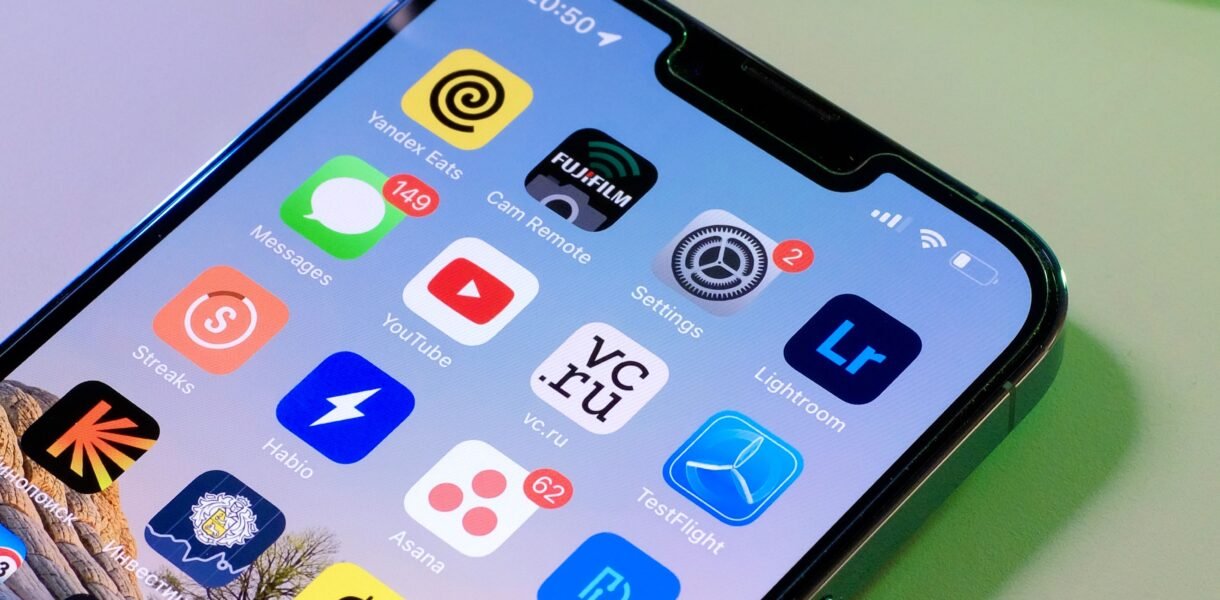
Notification Fatigue
Notification fatigue refers to the mental tiredness caused by frequent alerts, messages, and interruptions from digital devices.
Repeated interruptions can affect focus, stress levels, and attention.
Related:
- Digital Overload
- Distraction
- Attention
Overstimulation
Overstimulation refers to having more sensory, emotional, or informational input than the brain can comfortably process.
Modern life can increase exposure to stimulation through technology, media, noise, and constant demands.
Related:
- Cognitive Load
- Digital Overload
- Stress Response
Social Connection
Social connection refers to relationships and interactions that provide support, belonging, and a sense of connection.
Healthy social connection can influence emotional wellbeing, resilience, and stress responses.
Related:
- Loneliness
- Social Isolation
- Wellbeing
Social Isolation
Social isolation refers to limited contact or interaction with others.
It can occur through circumstances, lifestyle patterns, or changes in social relationships and may affect wellbeing.
Related:
- Loneliness
- Social Connection
- Mental Wellbeing
Technology Use
Technology use refers to the ways people interact with digital tools, devices, and platforms.
The effects of technology depend on factors such as purpose, timing, habits, and the individual’s relationship with it.
Related:
- Digital Wellbeing
- Attention
- Modern Environment
Information Overload
Information overload occurs when the amount of information available exceeds the brain’s ability to process it effectively.
It can contribute to difficulty focusing, decision fatigue, and mental exhaustion.
Related:
- Cognitive Load
- Decision Fatigue
- Attention
Wellbeing
Wellbeing refers to overall physical, psychological, and social health.
It is influenced by factors such as sleep, relationships, lifestyle, environment, and daily behaviours.
Related:
- Recovery
- Resilience
- Lifestyle Factors