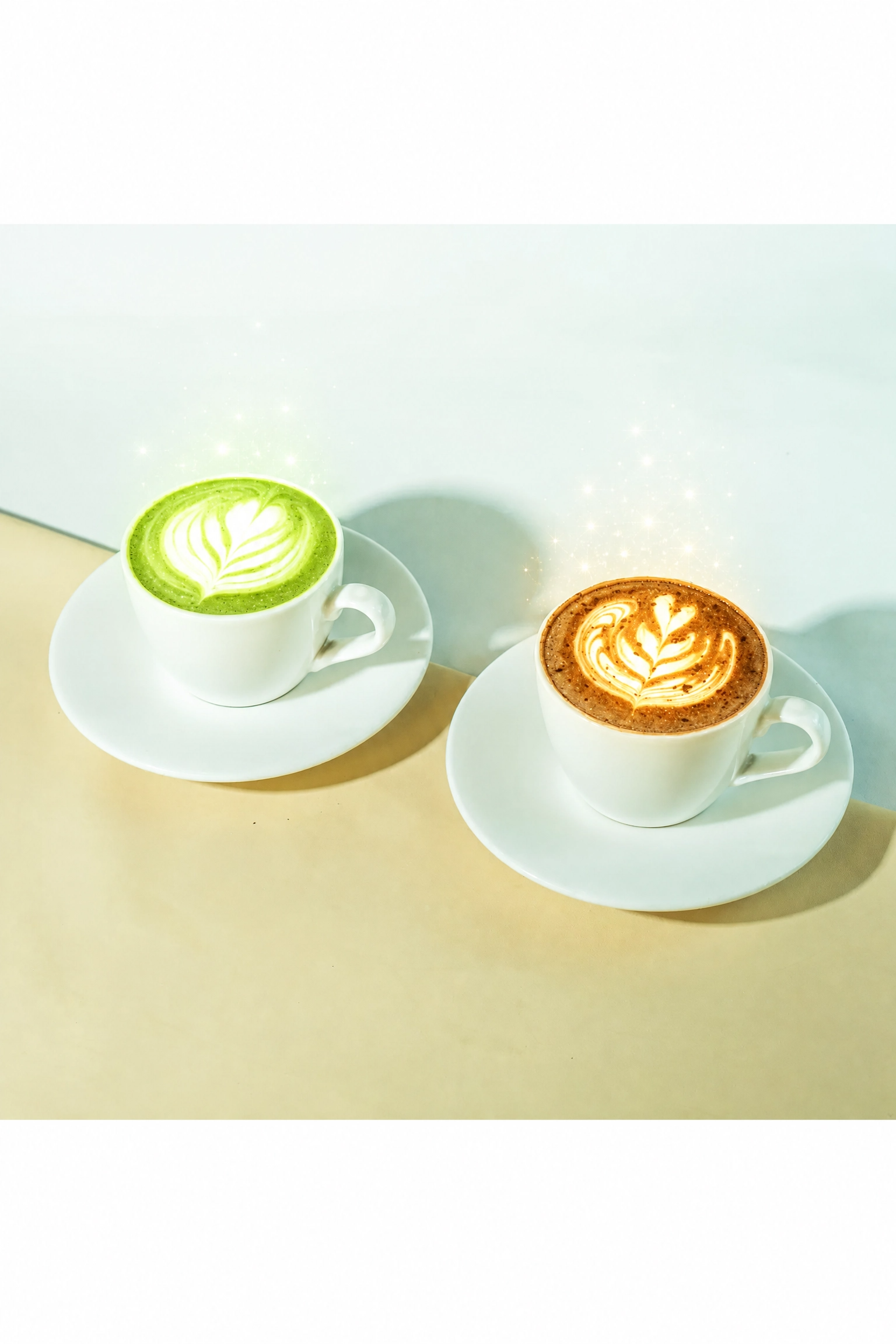
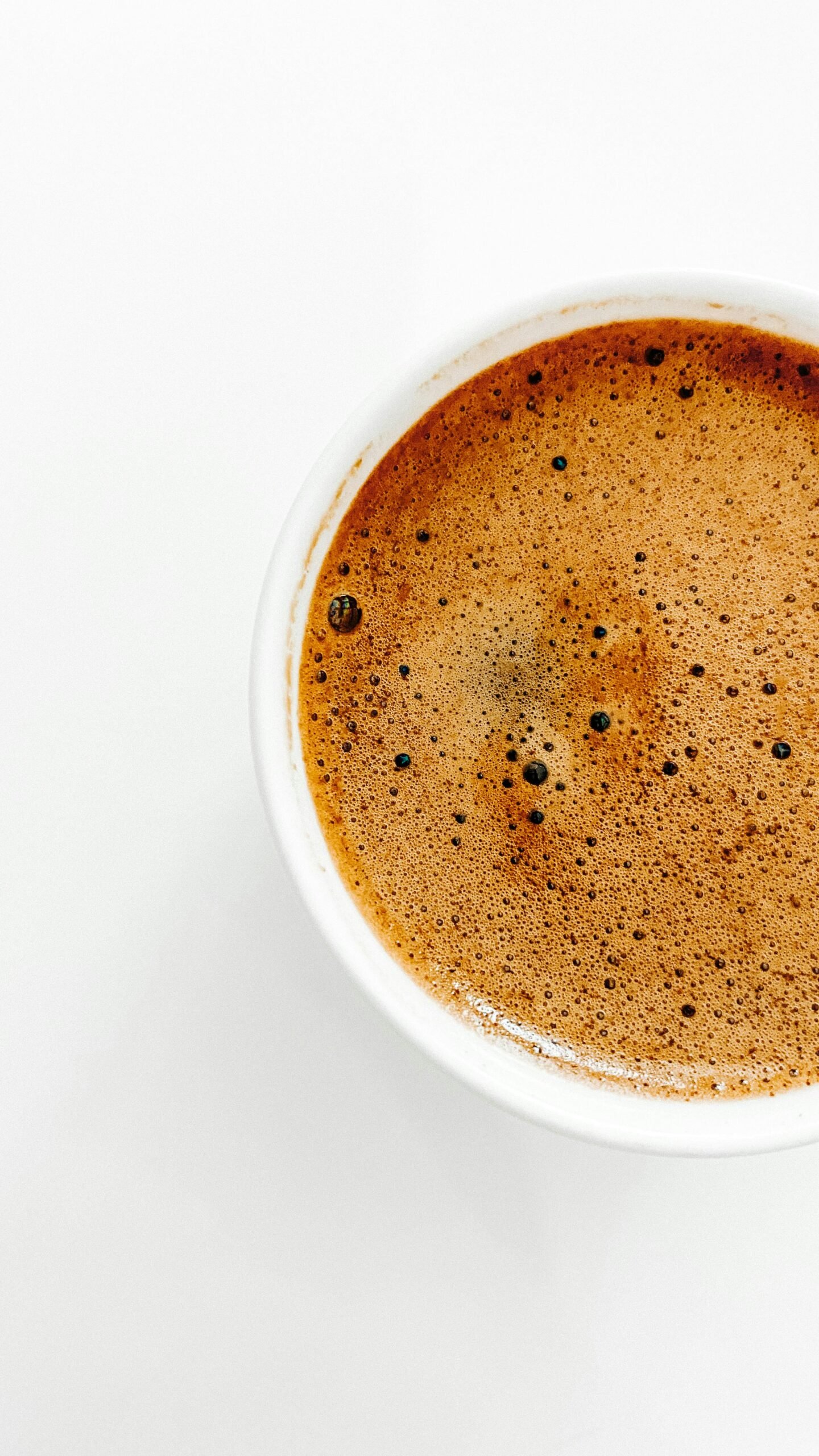
If you’ve ever noticed that coffee makes you feel sharp but slightly tense, while matcha feels calm but focused, there’s a reason for that. This difference is not just preference. It is how stimulation interacts with the nervous system. Coffee vs Matcha in the Body Coffee and matcha both contain caffeine, but they affect the body in different ways. Coffee produces a faster rise in stimulation. Matcha releases caffeine more gradually and is paired with compounds that soften its impact. The result is two different patterns of alertness: sharp activation versus steady activation. Why They Affect the Nervous System Differently…