A panic attack can feel sudden, overwhelming, and physically intense.
Heart rate increases. Breathing changes. Thoughts speed up. The body reacts as though something dangerous is happening, even when there is no immediate threat present.
What’s happening is not just “panic” in a general sense. It’s the brain and nervous system moving into a high-alert survival response.
What happens in the brain?
During a panic attack, the brain shifts attention toward threat detection and survival.
Areas involved in fear and danger processing become more active, while systems linked to rational thinking and long-term perspective become harder to access in the moment.
This is why panic often feels:
- immediate
- urgent
- difficult to control logically
The brain is prioritising safety over analysis.
Why the body reacts so strong
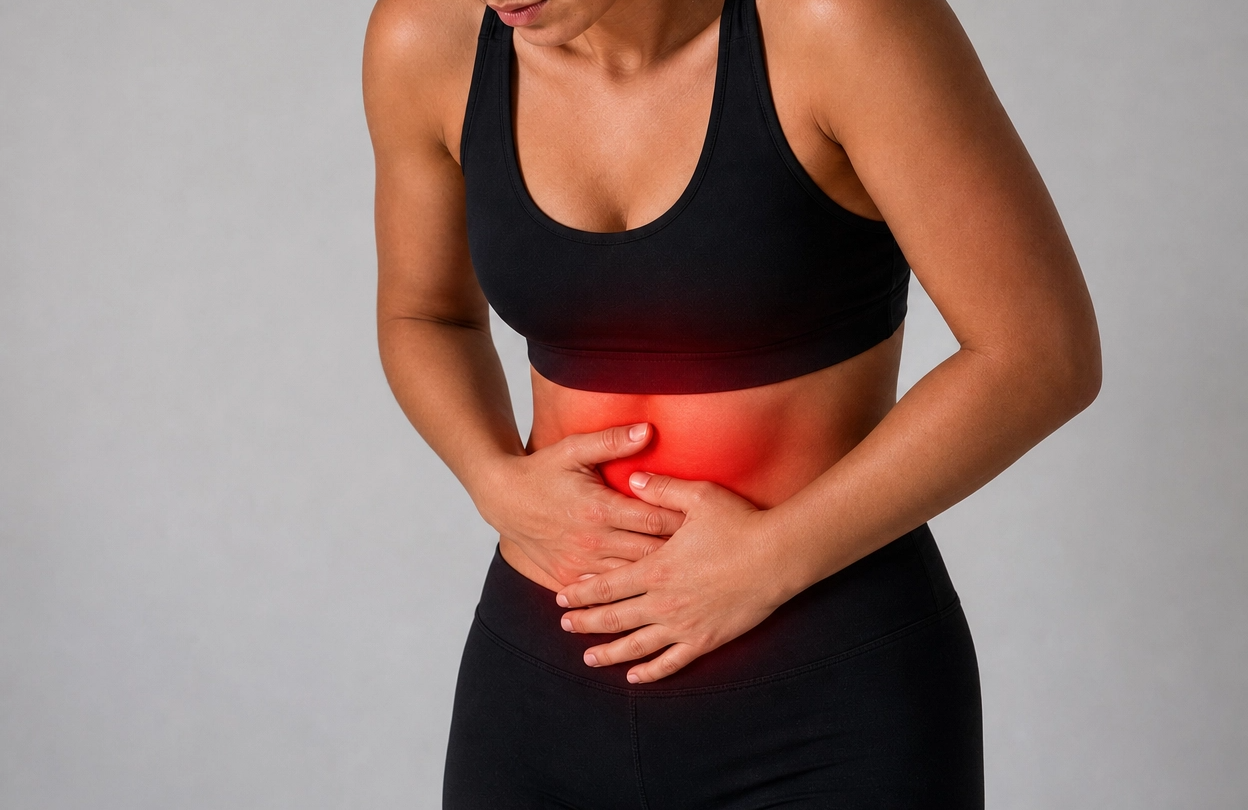
A panic attack is not only mental. It’s deeply physical.
The nervous system rapidly increases activation:
- heart rate rises
- breathing speeds up
- muscles tense
- adrenaline increases
These changes are part of the body preparing to respond to danger.
Even when no physical threat exists, the body can still react as though one does.

Why breathing changes
One of the most noticeable parts of a panic attack is the change in breathing.
Breaths often become:
- faster
- shorter
- higher in the chest
This can create sensations like:
- dizziness
- tightness
- tingling
- feeling faint
The body is moving into a more activated state, and breathing patterns shift along with it.
Why thoughts start racing
When the brain detects danger, attention narrows.
The mind begins scanning for explanations, outcomes, and possible threats.
This can feel like:
- spiralling thoughts
- catastrophic thinking
- feeling trapped in the moment
- difficulty slowing the mind down
The brain is trying to predict and control uncertainty as quickly as possible.
Why panic feels dangerous
One of the hardest parts of a panic attack is how convincing it feels physically.
Because the nervous system is highly activated, sensations can feel alarming:
- chest tightness
- rapid heartbeat
- shaking
- heat or chills
- shortness of breath
The brain often interprets these sensations as evidence that something is seriously wrong, which can increase fear further.
What happens after the peak passes
Panic attacks usually rise, peak, and gradually settle.
Afterwards, people often notice:
- exhaustion
- emotional release
- lingering tension
- mental fatigue
This happens because the body has gone through a strong activation cycle and now has to return toward baseline again.
What this means in modern life
The nervous system is designed to react quickly to perceived danger.
In modern life, that danger is not always physical. Stress, overload, uncertainty, lack of recovery, and ongoing pressure can all increase nervous system sensitivity over time.
For some people, panic attacks happen when the system reaches a threshold where activation becomes difficult to regulate smoothly.
Final thought
A panic attack is not simply “overthinking.”
It’s the brain and nervous system moving into a powerful survival response.
What makes the experience so overwhelming is that the body reacts first — and the mind then tries to make sense of what the body is already feeling.