Sleep is one of the body’s most important biological processes. This section explains some of the key terms involved in sleep, recovery, restoration, and the rhythms that help regulate daily life. Adenosine Adenosine is a chemical compound that builds up in the brain during waking hours and contributes to the feeling of sleepiness. As adenosine levels increase, the drive to sleep becomes stronger. Sleep helps clear accumulated adenosine, supporting the next cycle of wakefulness. Related: Body Clock The body clock is the internal timing system that helps regulate daily rhythms. It influences sleep, wakefulness, hormone release, body temperature, and other…

-
-
Understanding how red light interacts with biology Light is not only something we see. It is also an environmental signal that can interact with biology. Red light therapy uses specific wavelengths of red and near-infrared light to explore how light exposure may influence cellular processes. It has become a popular practice studied in areas including skin health, recovery, and tissue function. The idea is simple: Certain wavelengths of light may act as signals that cells respond to. What Is Red Light Therapy? Red light therapy, also known as photobiomodulation, involves exposing the body to controlled wavelengths of red or near-infrared…
-
Decision fatigue is the mental drain that builds up when you have to make too many decisions in a day. As the day goes on, it becomes harder to think clearly, stay patient, and choose well. This happens because the brain has a limited capacity for focus and self-control. When those systems are used over and over again without enough recovery, decision-making becomes less efficient. Decision fatigue is not laziness. It is what happens when the brain is under too much decision-making demand. Your brain is not built to keep making decisions all day without cost. Each one uses mental…
-
Attention isn’t a single “thing” in the brain. It’s more like a control system that decides what gets priority processing at any moment. Your brain is constantly receiving far more input than it can fully process. Attention is the mechanism that acts like a filter — selecting a small amount of information to amplify, while suppressing everything else. What attention actually is in the brain At a basic level, attention is the coordination of several systems working together: Together, they decide: “this matters right now” vs “ignore this” So attention is not constant focus. It is continuous selection under constraint.…
-
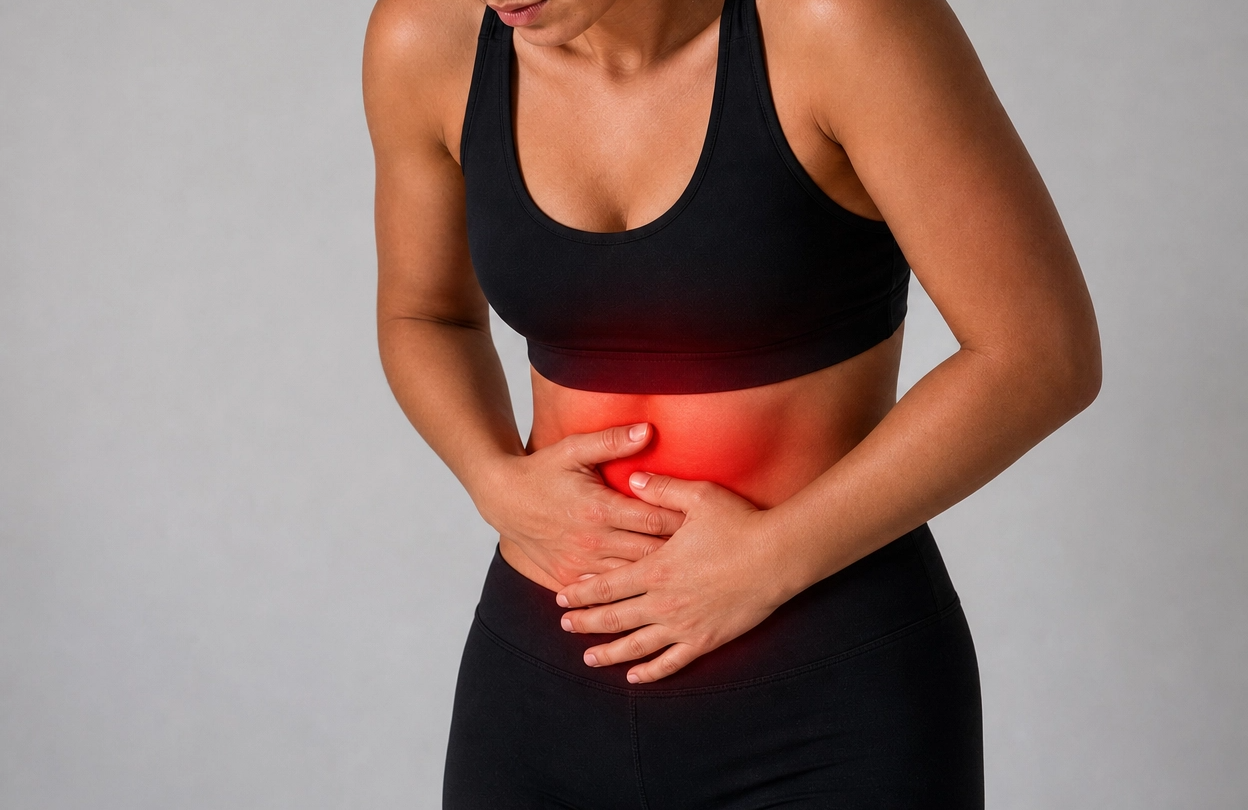
Most people think of stress as something that happens in the mind. But often, you feel it first in the stomach: Your gut and nervous system are closely connected, which is why stress affects digestion so strongly. Stress does not stay in the mind. The body responds to it too. What Is Happening in the Gut–Brain System Your gut communicates with your brain through the gut–brain axis. This system links: When the brain detects stress, it activates the body’s stress response systems. This shifts the body into a state designed for short-term survival, where resources are redirected toward immediate action…
-
If you’ve ever noticed that coffee makes you feel sharp but slightly tense, while matcha feels calm but focused, there’s a reason for that. This difference is not just preference. It is how stimulation interacts with the nervous system. Coffee vs Matcha in the Body Coffee and matcha both contain caffeine, but they affect the body in different ways. Coffee produces a faster rise in stimulation. Matcha releases caffeine more gradually and is paired with compounds that soften its impact. The result is two different patterns of alertness: sharp activation versus steady activation. Why They Affect the Nervous System Differently…
-
Floating in silence — usually in a sensory deprivation tank — removes almost all external input. No sound. No light. Very little movement. What becomes interesting isn’t relaxation itself, but what happens when the nervous system stops constantly responding to the outside world. What is happening in the nervous system? Your nervous system is always responding to what’s around you. In daily life, that input is constant — noise, light, movement, information. In a float tank, that input drops almost completely. With less coming in, the system doesn’t need to stay as alert. Attention shifts away from the outside world…
-
Chronic stress isn’t one single event. It’s a steady background level of pressure that the nervous system has to keep responding to. Over time, this changes how the system regulates itself — not in a dramatic way, but in small, ongoing shifts. What is happening in the nervous system? Your nervous system is built to respond to short bursts of demand. A stressful moment happens, the system activates, then it returns to baseline. With chronic stress, that “return to baseline” doesn’t fully happen. Instead, the system stays partially switched on. This means: It’s not that the system is broken. It’s…
-
Most people notice caffeine in terms of energy. But its effects go deeper than alertness. It shapes how the brain regulates wakefulness, attention, stress, and fatigue throughout the day. When it is removed, even temporarily, the nervous system has to adjust to functioning without that external signal. The first week is where that adjustment becomes most noticeable. When caffeine is removed, the body does not lose energy — it re-exposes what was already there. What caffeine is doing in the background Caffeine works by blocking adenosine. Adenosine is a chemical that builds up throughout the day and signals tiredness. When…
-
An ice bath creates a strong physical stress response almost immediately. Cold water changes breathing, circulation, muscle tension, and nervous system activity within seconds. For most people, the first experience feels less like “recovery” and more like shock. What happens afterwards is the nervous system trying to adapt to that sudden change in environment. What happens when the body hits cold water? The body reacts to cold as a survival signal. As soon as you enter cold water: This is part of the body’s immediate stress response. The nervous system shifts rapidly into a more alert state to deal with…